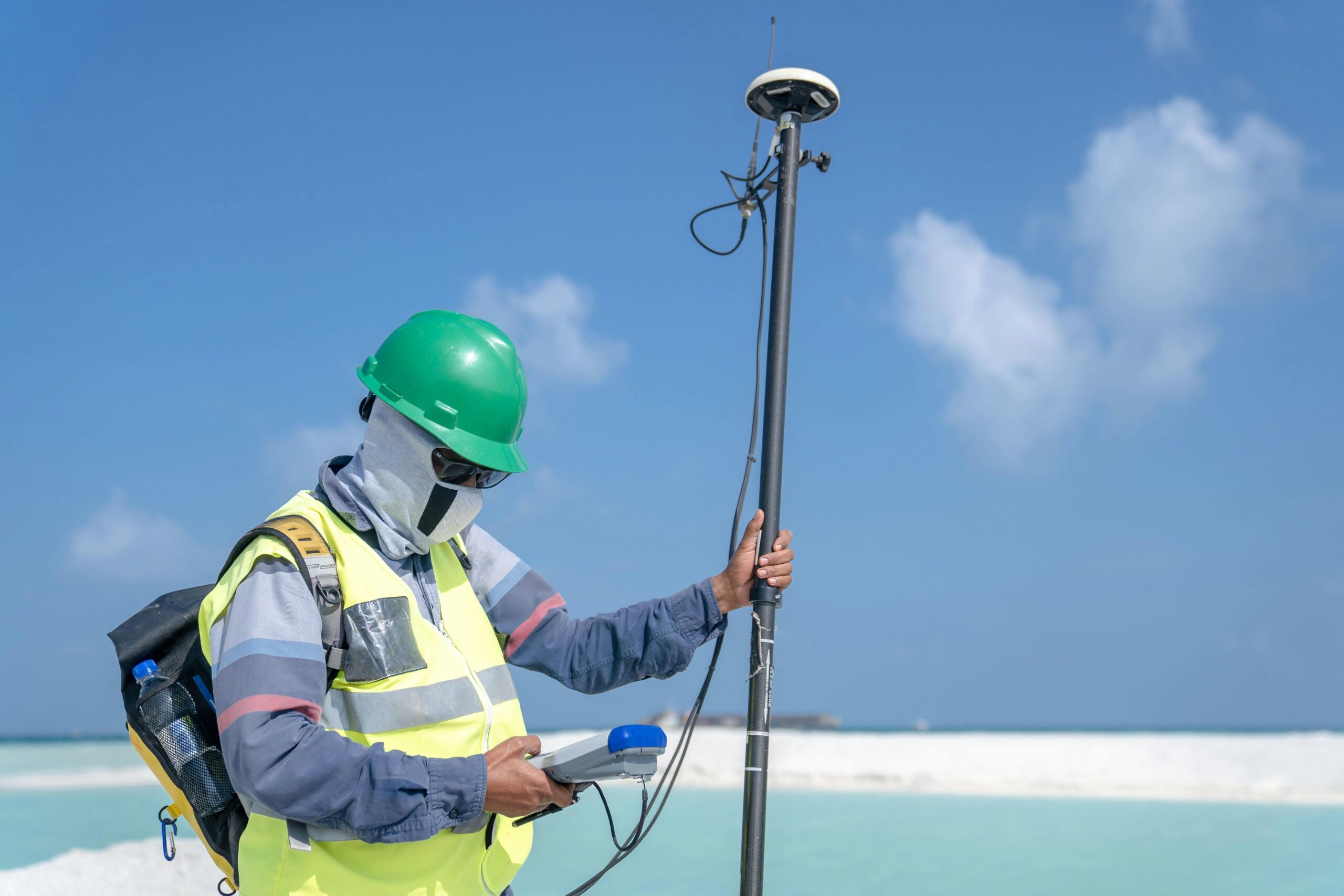
Thermal hotspot mapping has emerged as a game-changing technology across multiple industries, revolutionizing how professionals identify problems, optimize processes, and achieve measurable success.

🔥 The Revolutionary Power of Thermal Imaging Technology
In today’s data-driven world, organizations constantly search for innovative tools that provide actionable insights. Thermal hotspot mapping stands out as a sophisticated yet accessible technology that captures temperature variations across surfaces, systems, and environments. By converting infrared radiation into visual representations, this technology reveals hidden patterns that are invisible to the naked eye.
The application of thermal imaging extends far beyond simple temperature measurement. It represents a fundamental shift in how professionals approach problem-solving, preventive maintenance, energy efficiency, and quality control. From manufacturing facilities to agricultural operations, from building inspections to medical diagnostics, thermal hotspot mapping delivers tangible results that directly impact bottom-line outcomes.
What makes this technology particularly compelling is its non-invasive nature combined with real-time data acquisition. Professionals can assess large areas quickly, identify anomalies instantly, and make informed decisions without disrupting normal operations. This efficiency translates into reduced downtime, lower maintenance costs, and improved safety protocols across various sectors.
📊 Real-World Success Stories Across Industries
Manufacturing Excellence Through Predictive Maintenance
A leading automotive manufacturer implemented thermal hotspot mapping as part of their predictive maintenance program, achieving remarkable results. Their production lines, consisting of hundreds of motors, conveyor systems, and robotic assemblies, previously experienced unexpected failures that cost approximately $50,000 per hour in downtime.
By conducting regular thermal scans, maintenance teams identified developing issues weeks before critical failures occurred. Overheating bearings, misaligned components, and electrical connection problems became visible through distinct thermal signatures. Within the first year, the company reported:
- 67% reduction in unexpected equipment failures
- Annual savings exceeding $2.3 million in prevented downtime
- Extended equipment lifespan by an average of 18 months
- Improved workplace safety with fewer emergency repair situations
- Enhanced production scheduling reliability
The success stemmed not just from adopting the technology, but from integrating thermal data into their existing computerized maintenance management system. Maintenance personnel received training to interpret thermal patterns, establishing baseline temperature profiles for all critical equipment.
Energy Efficiency Transformation in Commercial Buildings
A commercial property management company overseeing 45 office buildings across three states faced escalating energy costs and tenant complaints about inconsistent heating and cooling. Traditional energy audits provided limited insights, often identifying symptoms rather than root causes.
Comprehensive thermal hotspot mapping revealed extensive insulation gaps, air leakage points, and HVAC system inefficiencies that conventional inspections missed. The thermal imaging campaign documented thousands of thermal anomalies, prioritized by severity and potential energy impact. Implementation of remediation measures based on these findings produced extraordinary outcomes:
- Average energy consumption decreased by 34% across the portfolio
- Tenant satisfaction scores improved by 42 points
- Rental rates increased due to certified energy efficiency improvements
- Return on investment achieved within 2.3 years
- Building valuations increased by an average of 12%
The visual nature of thermal reports proved invaluable when communicating with building owners and securing investment for efficiency upgrades. Stakeholders could clearly see heat loss patterns, making justification for capital expenditures straightforward and compelling.
🌾 Agricultural Applications Yielding Abundant Returns
Precision Irrigation Management
A large-scale agricultural operation spanning 3,000 acres of varied crops struggled with irrigation inefficiency, resulting in water waste, uneven crop development, and reduced yields. Traditional soil moisture monitoring provided point-specific data that failed to capture the spatial variability across extensive fields.
Implementing drone-based thermal hotspot mapping transformed their irrigation strategy. Regular thermal surveys revealed temperature variations across fields that correlated directly with soil moisture levels and plant stress. Cooler areas indicated adequate moisture, while thermal hotspots signaled drought stress requiring immediate attention.
The data-driven approach enabled precision irrigation adjustments, delivering water exactly where and when needed. Results exceeded expectations:
- Water consumption reduced by 28% while maintaining yield quality
- Crop yields increased by 19% through optimized irrigation timing
- Early detection of irrigation system malfunctions prevented crop loss
- Fertilizer efficiency improved through targeted application in stressed areas
- Annual operational savings totaling $147,000
The thermal data also helped identify drainage issues and soil compaction problems that conventional methods would have taken seasons to diagnose. This comprehensive field intelligence empowered farm managers to make proactive decisions rather than reactive interventions.
⚡ Electrical System Safety and Reliability
Preventing Catastrophic Failures in Power Distribution
An electrical utility company serving 250,000 customers faced increasing equipment failures in their aging distribution network. Traditional inspection methods required physical access to equipment and often provided incomplete assessments of system health.
Thermal hotspot mapping introduced through aerial surveys and ground-based inspections revolutionized their asset management approach. Infrared cameras mounted on drones and vehicles scanned thousands of transformers, switches, and connection points, identifying thermal anomalies indicating deteriorating components.
The proactive maintenance program based on thermal findings achieved impressive results:
- Unplanned outages decreased by 53% over two years
- Customer satisfaction ratings improved significantly
- Equipment replacement prioritized based on actual condition rather than age
- Fire risks reduced through early detection of overheating components
- Regulatory compliance improved with documented inspection records
One particularly notable incident involved a substation transformer showing elevated temperatures during routine thermal scanning. Detailed inspection revealed internal insulation breakdown that would have caused catastrophic failure within weeks, potentially affecting 15,000 customers and requiring emergency replacement costing millions.
🏗️ Construction Quality Control and Building Diagnostics
Ensuring New Construction Meets Performance Standards
A commercial construction firm specializing in high-performance buildings integrated thermal hotspot mapping into their quality assurance processes. Traditional inspections often missed installation defects that compromised building envelope performance, leading to warranty claims and reputation damage.
Thermal imaging conducted at critical construction phases—after insulation installation, during exterior closure, and before final occupancy—identified issues while correction remained cost-effective. Common findings included missing insulation sections, air barrier discontinuities, and thermal bridging at structural connections.
The systematic thermal verification program delivered substantial benefits:
- Warranty claims related to thermal performance dropped by 78%
- Buildings consistently achieved or exceeded designed energy performance
- Client satisfaction increased, generating referral business
- Rework costs decreased by identifying issues during construction rather than post-occupancy
- Marketing advantage through certified thermal performance documentation
The visual thermal documentation also proved valuable in educating subcontractors about quality requirements, creating a culture of excellence that permeated all construction phases.
🔬 Advanced Applications in Research and Development
Product Development Acceleration Through Thermal Analysis
An electronics manufacturer developing next-generation consumer devices faced thermal management challenges that threatened product launch timelines. Conventional testing methods provided limited spatial resolution, making it difficult to pinpoint heat generation sources in densely packed circuit boards.
High-resolution thermal hotspot mapping transformed their development process. Engineers could observe thermal behavior under various operating conditions, identifying problematic components and validating cooling solutions with unprecedented precision. The thermal data guided design iterations, eliminating guesswork from the optimization process.
Implementation of thermal mapping throughout product development cycles yielded measurable advantages:
- Development cycle time reduced by 31%
- Product reliability improved through better thermal management
- Warranty costs decreased due to more robust thermal designs
- Competitive advantage through slimmer, more powerful product designs
- Customer reviews highlighted superior performance and reliability
The thermal analysis capability became so valuable that it influenced how the company approached all new product development, fundamentally changing their engineering methodology.
📱 Mobile Technology Democratizing Thermal Mapping
The proliferation of smartphone-compatible thermal cameras has dramatically expanded access to thermal hotspot mapping technology. Professional-grade capabilities that once required expensive dedicated equipment are now available through affordable attachments and integrated sensors.
Several mobile applications have emerged to process, analyze, and share thermal images, making the technology accessible to small businesses, independent contractors, and even homeowners. These applications typically offer temperature measurement, thermal anomaly detection, and report generation capabilities previously available only in specialized software.
The democratization of thermal technology has created new service opportunities and enabled proactive maintenance approaches for organizations of all sizes. A small HVAC contractor reported that investing in mobile thermal imaging technology differentiated their service offering, increased customer retention by 34%, and justified premium pricing for diagnostic services.
💡 Key Success Factors for Thermal Mapping Implementation
Training and Expertise Development
Successful thermal hotspot mapping programs share common characteristics, with proper training standing as the most critical factor. Understanding thermal physics, emissivity concepts, and environmental influences on temperature readings separates effective implementations from superficial adoptions.
Organizations achieving superior results typically invest in certification programs for their personnel, ensuring consistent interpretation standards and reliable data collection methodologies. This expertise foundation enables teams to extract maximum value from thermal data rather than simply collecting colorful images.
Integration With Existing Systems
Standalone thermal inspections provide limited value compared to integrated approaches that connect thermal data with maintenance management systems, building automation platforms, or quality management databases. The most successful implementations treat thermal mapping as part of a comprehensive monitoring ecosystem rather than an isolated activity.
This integration enables trend analysis, automated alerting for anomalous conditions, and prioritization based on criticality factors beyond temperature alone. Organizations report that integration multiplies the value of thermal data by contextualizing findings within operational realities.
Systematic Approach and Baseline Development
Random thermal inspections deliver inconsistent results. Successful programs establish regular inspection schedules, document baseline thermal signatures for equipment and systems, and track changes over time. This longitudinal approach identifies gradual deterioration that single inspections might miss.
Creating comprehensive thermal databases also enables comparative analysis across similar equipment, revealing systematic issues or installation defects affecting multiple assets. Pattern recognition at this scale drives strategic improvements beyond individual asset corrections.
🎯 Measuring Return on Investment
Quantifying the financial impact of thermal hotspot mapping requires tracking multiple metrics beyond simple cost avoidance. Comprehensive ROI calculations should include prevented failures, energy savings, extended asset life, improved safety outcomes, and productivity gains from reduced downtime.
Organizations with mature thermal mapping programs report average ROI ratios between 5:1 and 15:1, depending on industry and application. The payback period typically ranges from six months to two years, with ongoing benefits accumulating as thermal databases mature and predictive capabilities improve.
Less tangible but equally important benefits include improved stakeholder confidence, enhanced regulatory compliance documentation, and competitive differentiation through demonstrable commitment to quality and efficiency.
🚀 Future Developments and Emerging Trends
The thermal hotspot mapping field continues evolving rapidly, with several emerging trends poised to expand capabilities and applications. Artificial intelligence integration promises automated anomaly detection, reducing the expertise barrier and enabling real-time alerting for critical conditions.
Drone technology advances are making large-area thermal surveys more economical and frequent, particularly for infrastructure inspection, agricultural monitoring, and utility asset management. Autonomous flight capabilities combined with AI-powered image analysis will enable continuous monitoring approaches previously impractical.
Miniaturization and cost reduction in thermal sensor technology will embed thermal monitoring capabilities directly into equipment, creating self-diagnosing systems that request maintenance based on their own thermal condition rather than fixed schedules or manual inspections.
Cloud-based platforms are centralizing thermal data from distributed assets, enabling enterprise-wide analysis and benchmarking across facilities, regions, and organizations. This data aggregation will reveal insights invisible at individual site level, driving systematic improvements across entire industries.

🌟 Transforming Outcomes Through Thermal Intelligence
The case studies and applications explored throughout this examination demonstrate that thermal hotspot mapping transcends simple temperature measurement to become a strategic intelligence capability. Organizations implementing this technology systematically and thoughtfully achieve transformative outcomes across operational efficiency, cost management, safety performance, and competitive positioning.
Success requires more than technology acquisition—it demands commitment to training, integration with existing processes, systematic application, and continuous refinement based on insights gained. Organizations approaching thermal mapping with this comprehensive perspective consistently achieve results that exceed initial expectations and justify continued investment.
As thermal technology becomes more accessible, affordable, and capable, the competitive advantage will increasingly favor organizations that extract maximum intelligence from thermal data rather than those simply possessing thermal cameras. The future belongs to entities that transform thermal observations into actionable insights, systematic improvements, and measurable outcomes.
Whether preventing catastrophic equipment failures, optimizing energy consumption, improving agricultural yields, or enhancing product development processes, thermal hotspot mapping delivers tangible value across virtually every industry. The evidence from diverse case studies clearly demonstrates that this technology represents not just a useful tool, but a fundamental capability for organizations committed to operational excellence and continuous improvement.