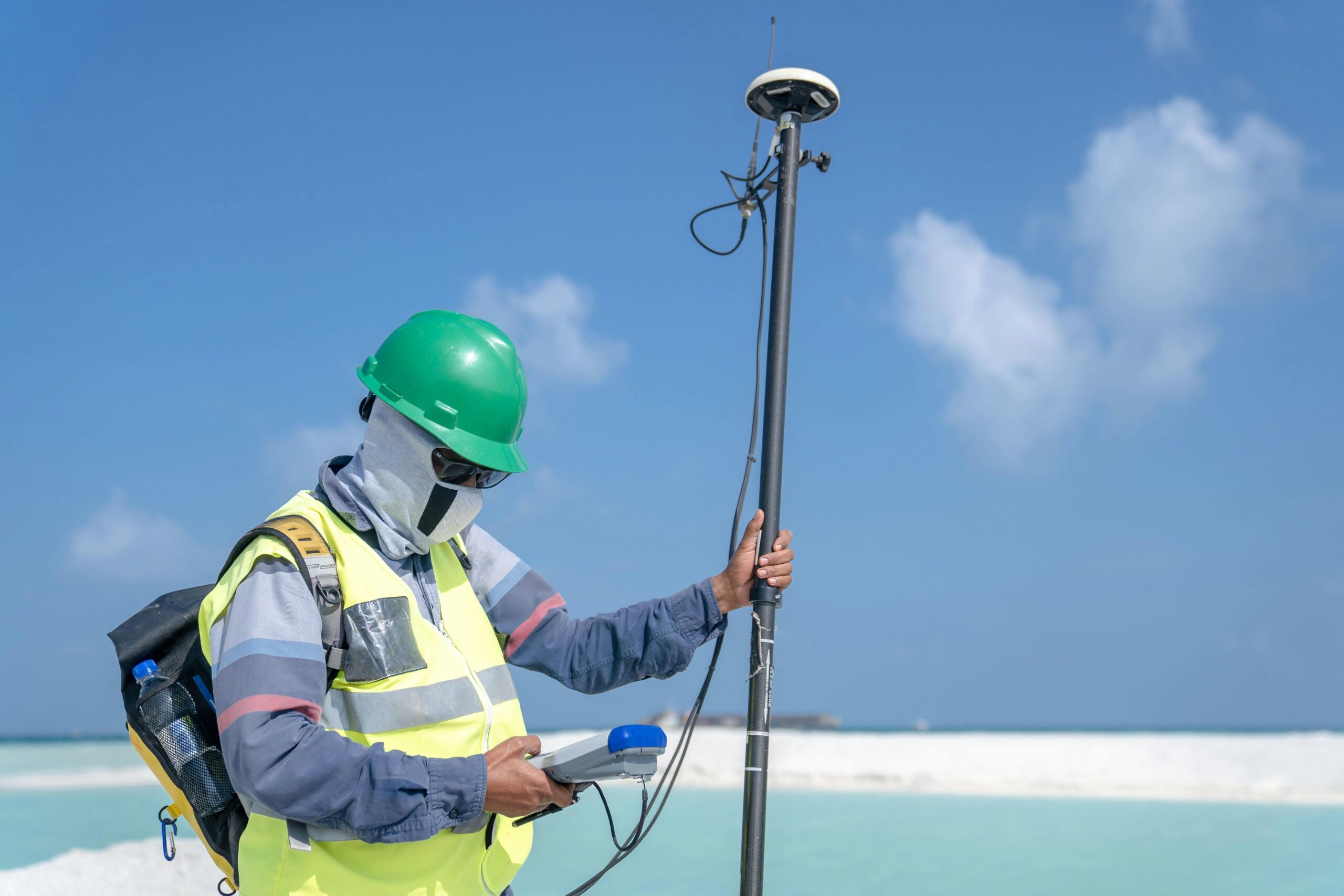
Physical inspections remain a critical tool for businesses seeking to validate digital hotspot maps and make data-driven decisions that truly reflect ground-level reality.

🗺️ Why Digital Hotspot Maps Need Ground-Truth Validation
In today’s data-driven business environment, hotspot maps have become indispensable tools for understanding customer behavior, foot traffic patterns, and market opportunities. These visual representations of data clustering help companies identify high-activity zones, optimize resource allocation, and make strategic decisions about expansion or marketing efforts. However, digital data alone tells only part of the story.
Hotspot maps generated from mobile data, social media check-ins, or transaction records can show patterns and trends, but they cannot capture the complete picture of what’s actually happening in a physical location. Environmental factors, infrastructure changes, temporary obstacles, and localized conditions all impact the accuracy of these digital representations. This is where physical inspections become invaluable.
The gap between digital representation and physical reality can cost businesses significant resources. A location that appears hot on a digital map might be experiencing construction, have limited parking, or face accessibility challenges that digital data cannot detect. Conversely, emerging opportunities might be missed because they haven’t yet generated sufficient digital footprints to appear on algorithmic hotspot maps.
The Science Behind Accurate Location Intelligence
Location intelligence combines geographic data with business analytics to reveal insights about markets, customers, and operations. While geographic information systems (GIS) and advanced algorithms can process enormous amounts of data to create sophisticated hotspot maps, they rely on data inputs that may be incomplete, outdated, or lack contextual nuance.
Physical inspections serve as the validation layer that ensures your location intelligence is actionable. When trained personnel visit sites identified as hotspots, they can verify whether the conditions that created the digital signal still exist. They observe customer demographics, assess competitor presence, evaluate visibility and accessibility, and document factors that no algorithm can capture through remote sensing alone.
This ground-truthing process is fundamental to spatial accuracy. It transforms probabilistic data into verified intelligence, reducing the risk of costly mistakes based on misleading digital patterns. Companies that invest in this validation step consistently outperform those that rely solely on algorithmic recommendations.
🔍 Building Your Physical Inspection Framework
Creating an effective physical inspection process requires methodical planning and clear protocols. Your inspection framework should align with your specific business objectives while maintaining consistency across different locations and team members.
Start by defining what you’re validating. Are you confirming foot traffic volumes? Assessing competitive landscapes? Evaluating infrastructure quality? Each objective requires different observation criteria and documentation methods. Your inspection checklist should be comprehensive yet practical enough for field teams to complete efficiently.
Consider developing tiered inspection protocols. High-priority hotspots identified by your digital analysis might warrant extensive multi-hour inspections at various times of day, while lower-priority locations could receive shorter verification visits. This tiered approach optimizes resource allocation while ensuring critical decisions receive thorough validation.
Essential Elements of Every Field Inspection
Every physical inspection should document several core elements regardless of your specific business model. Visual documentation through photographs and videos creates permanent records that stakeholders can review later. Time-stamped media also helps track changes over time when locations are re-inspected periodically.
Quantitative measurements provide objective data points. Count vehicles in parking lots, pedestrians passing specific points, or competing businesses within defined radii. These numbers can be directly compared against digital predictions to assess accuracy and identify systematic biases in your hotspot mapping algorithms.
Qualitative observations capture context that numbers cannot. Inspector notes about neighborhood character, customer demographics, facility conditions, signage visibility, and accessibility factors add crucial texture to raw data. These observations often reveal opportunities or challenges that completely change the strategic value of a location.
Leveraging Technology to Enhance Field Validation
Modern mobile technology has transformed physical inspection capabilities. Field teams can now collect, organize, and transmit inspection data in real-time, dramatically reducing the lag between observation and action. Specialized inspection apps help standardize data collection, ensure completeness, and integrate field observations with existing business intelligence systems.
GPS-enabled photographs automatically geotag visual documentation, linking observations to precise coordinates. This spatial referencing allows inspection data to be overlaid directly onto hotspot maps, creating rich, multi-layered intelligence that combines algorithmic predictions with verified ground conditions.
Voice-to-text features enable inspectors to capture detailed observations without extensive typing, while offline functionality ensures data collection continues even in areas with poor connectivity. Cloud synchronization means stakeholders can access inspection results immediately, accelerating decision-making processes.
📊 Identifying and Resolving Data Discrepancies
The most valuable outcome of physical inspections is often discovering where digital hotspot maps are wrong. These discrepancies reveal systematic issues with data sources or algorithmic assumptions that, once corrected, improve all future analyses.
When physical conditions don’t match digital predictions, systematic investigation is warranted. Is the digital data outdated? Has something changed physically that hasn’t yet impacted digital signals? Are there data collection biases creating false patterns? Understanding the root cause of discrepancies prevents repeated errors.
Document every significant variance between predicted and observed conditions. Create a discrepancy log that tracks the type of variance, potential causes, and resolution steps. Over time, this log reveals patterns that help refine your hotspot mapping methodology and improve the accuracy of future predictions.
Common Hotspot Map Inaccuracies
Certain types of inaccuracies appear repeatedly when validating hotspot maps through physical inspections. Recognizing these common issues helps field teams know what to look for and enables data science teams to address systematic problems.
- Temporal mismatches: Digital data may reflect past patterns that no longer apply due to business closures, construction, or changing demographics
- Indoor-outdoor confusion: Mobile signals from inside buildings may be geolocated to nearby outdoor areas, creating false hotspots
- Event-driven spikes: One-time events can create data patterns that algorithms interpret as permanent hotspots
- Sample bias: If your digital data sources skew toward certain demographics or behaviors, hotspot maps will reflect those biases
- Boundary artifacts: Administrative or data collection boundaries can create artificial hotspot edges that don’t reflect physical reality
Creating Actionable Intelligence From Validation Data
The ultimate goal of physical inspection isn’t just to confirm or reject hotspot maps—it’s to generate actionable intelligence that drives better business decisions. This requires systematically integrating field observations with existing data systems and decision-making workflows.
Develop a standardized reporting format that presents validation findings clearly to decision-makers. Use visual comparisons showing predicted versus observed conditions, highlight significant discrepancies, and provide specific recommendations based on field observations. Reports should answer whether a hotspot warrants the intended business action and identify any conditional factors that might affect success.
Create feedback loops that improve your hotspot mapping algorithms over time. When physical inspections reveal consistent patterns of error, work with data science teams to adjust weighting factors, incorporate new data sources, or refine geographic boundaries. This continuous improvement process transforms validation from a one-time check into an ongoing refinement system.
⏱️ Optimizing Inspection Timing and Frequency
When you conduct physical inspections significantly impacts what you observe and how well it validates digital data. Timing considerations operate at multiple scales, from time of day to season to multi-year intervals.
Conduct inspections during periods that match your business objectives. If you’re validating lunchtime foot traffic hotspots, inspections must occur during actual lunch hours. For retail site selection, weekend observations may be more relevant than weekday data. Multi-visit protocols that sample different times provide the most complete validation.
Seasonal variations affect both physical conditions and digital data patterns. A location might be a genuine summer hotspot but dead in winter, or vice versa. Annual re-inspection cycles help distinguish permanent characteristics from seasonal fluctuations, preventing decisions based on temporally-limited data.
Establish triggers for unscheduled inspections when digital signals suggest rapid change. Sudden drops or spikes in hotspot intensity warrant immediate physical verification to determine whether they represent real conditions or data anomalies requiring investigation.
Building High-Performance Inspection Teams
The quality of physical validation depends entirely on the skills and diligence of field inspectors. Building capable teams requires careful selection, thorough training, and ongoing quality assurance measures.
Look for inspectors with strong observational skills, attention to detail, and the ability to think critically about what they’re seeing. Prior experience in research, investigation, or field sciences provides valuable foundational skills. Local geographic knowledge can be advantageous but isn’t essential if inspection protocols are well-designed.
Training should cover both technical procedures and the conceptual understanding of why validation matters. Inspectors who understand how their observations will be used make better judgments about what to document and when to investigate anomalies more thoroughly. Regular calibration sessions where teams review and discuss past inspections maintain consistency across different personnel.
Quality Control Measures
Implement systematic quality control to ensure inspection data meets standards for completeness and accuracy. Random re-inspections by supervisors or different team members verify that individual inspectors are following protocols consistently. Photographic evidence can be reviewed remotely to assess whether documentation adequately captures relevant conditions.
Use statistical measures to identify outlier inspectors whose observations consistently differ from team norms or from digital predictions in ways that other inspectors don’t observe. These outliers may indicate superior observation skills or may reveal training needs—investigation determines which.
💼 Calculating ROI on Physical Validation Programs
Physical inspection programs require investment in personnel, training, technology, and time. Justifying these costs requires demonstrating clear returns on investment through better decisions and avoided mistakes.
Calculate the value of avoided errors by estimating costs of decisions based on inaccurate hotspot maps. If physical validation prevents a poor site selection that would have cost hundreds of thousands in lease obligations and buildout expenses, the entire year’s inspection budget may be justified by that single avoided mistake.
Measure improvements in decision outcomes after implementing validation programs. Compare success rates of locations selected with physical validation against those chosen solely from digital data. Higher performance rates in validated locations demonstrate tangible returns from the inspection investment.
Consider efficiency gains from confidence in data. When leadership trusts that hotspot maps have been ground-truthed, decision cycles accelerate because fewer stakeholders demand additional verification. This velocity advantage compounds over time as your organization makes more decisions faster than competitors still debating data reliability.
Integrating Validation Into Strategic Planning Cycles
Physical inspection programs deliver maximum value when integrated into regular strategic planning processes rather than conducted ad hoc. Build validation checkpoints into your annual planning calendar, aligning inspection campaigns with decision timelines.
For expansion planning, conduct validation inspections during the site evaluation phase before significant resources are committed. For marketing optimization, validate campaign targeting hotspots quarterly to ensure messaging reaches actual high-opportunity areas. For competitive intelligence, regular inspection cycles track changing competitive landscapes that digital data may capture slowly or incompletely.
Create standing cross-functional teams that include representatives from operations, marketing, real estate, and data analytics. These teams review validation findings collectively, ensuring that field observations inform decisions across all relevant functions and that inspection protocols evolve to meet changing business needs.
🚀 Future-Proofing Your Validation Approach
As technology evolves, the tools and methods for both creating hotspot maps and validating them will continue to advance. Building adaptable validation programs that can incorporate new capabilities ensures long-term relevance and value.
Emerging technologies like augmented reality inspection tools, AI-powered image analysis, and IoT sensor networks will enhance field validation capabilities. Stay informed about these developments and pilot new technologies that could improve inspection efficiency or data quality. However, maintain the fundamental principle that human judgment and observation remain central to validation regardless of technological tools.
As digital data sources proliferate and algorithms become more sophisticated, the nature of validation may shift from confirming basic facts toward assessing nuanced contextual factors that only human observers can evaluate. Invest in developing your team’s analytical and critical thinking capabilities to ensure they can provide this higher-level validation as systems evolve.

Turning Validation Into Competitive Advantage
Companies that excel at validating digital intelligence through systematic physical inspection gain sustainable competitive advantages. They make fewer costly mistakes, identify opportunities competitors miss, and build organizational confidence in data-driven decision-making.
This advantage compounds over time as refined hotspot mapping becomes increasingly accurate and validation processes become more efficient. The feedback loops between field observations and algorithmic improvements create a virtuous cycle where each iteration of both components performs better than the last.
Most importantly, organizations that validate their hotspot maps build cultures that value ground truth and resist the temptation to make decisions based solely on attractive digital dashboards. This cultural advantage—the institutional wisdom to question data and verify assumptions—may be the most valuable outcome of physical inspection programs.
Whether you’re selecting retail locations, optimizing service territories, targeting marketing campaigns, or making any other spatially-informed business decision, the accuracy of your hotspot maps directly impacts outcomes. Physical inspections transform these maps from interesting visualizations into reliable strategic tools. By investing in systematic validation, you ensure that every business decision based on location intelligence rests on a foundation of verified, ground-truthed reality rather than unverified digital signals.