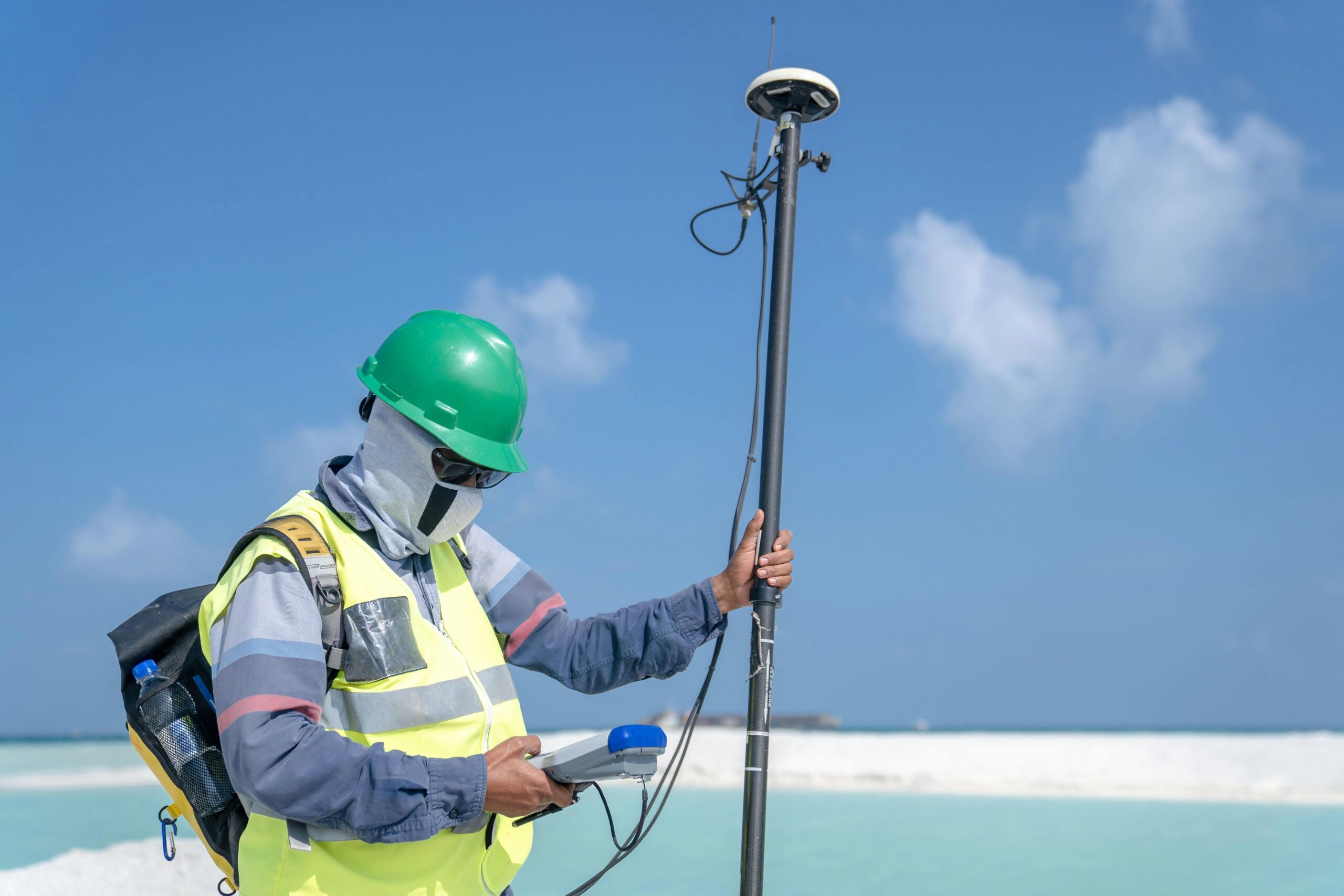
Hotspot mapping has revolutionized how professionals collect and analyze spatial data across challenging landscapes, combining cutting-edge technology with practical field applications.

🗺️ The Evolution of Spatial Data Collection in Complex Environments
Traditional mapping techniques often struggle when faced with diverse terrain types and varying vegetation densities. Hotspot mapping emerges as a sophisticated solution that enables researchers, environmental scientists, and field workers to identify areas of concentrated activity or interest across mixed landscapes. This methodology has become increasingly vital for biodiversity assessments, urban planning, emergency response coordination, and resource management.
The power of hotspot mapping lies in its ability to integrate multiple data sources and environmental variables simultaneously. Whether you’re navigating dense forests, rocky mountainsides, or transitioning wetlands, this approach provides actionable insights that would be impossible to obtain through conventional surveying methods alone.
Modern hotspot mapping leverages GPS technology, satellite imagery, mobile applications, and ground-truthing techniques to create comprehensive spatial datasets. These tools work together to overcome obstacles presented by mixed terrain and vegetation, ensuring data accuracy regardless of environmental complexity.
Understanding the Fundamentals of Hotspot Analysis
Hotspot mapping identifies statistically significant clusters of events, phenomena, or characteristics within a geographic area. Unlike simple point plotting, this technique applies spatial statistics to determine where concentrations occur beyond random chance. The methodology reveals patterns that might otherwise remain hidden in raw data.
The process begins with collecting georeferenced observations across your study area. Each data point carries attributes such as species counts, temperature readings, soil samples, or human activity indicators. Advanced algorithms then analyze spatial relationships between points, identifying clusters where values are significantly higher or lower than surrounding areas.
Several statistical methods support hotspot analysis, including Getis-Ord Gi* statistics, kernel density estimation, and spatial autocorrelation measures. These mathematical approaches calculate confidence levels for each hotspot, helping researchers distinguish meaningful patterns from random variation.
Key Components of Effective Hotspot Mapping
Successful hotspot mapping requires careful attention to several critical elements that ensure data quality and analytical validity. Understanding these components helps teams design robust collection protocols adapted to challenging field conditions.
- Systematic sampling strategies that account for accessibility constraints across mixed terrain
- Appropriate spatial resolution matching the scale of phenomena being studied
- Consistent data collection protocols maintained across different vegetation zones
- Quality control measures that identify and correct GPS errors common in dense canopy
- Integration protocols for combining field observations with remote sensing data
- Temporal considerations recognizing how hotspots shift seasonally or in response to events
🌲 Navigating Vegetation Challenges in Field Data Collection
Dense vegetation presents unique obstacles for spatial data collection, particularly regarding GPS signal accuracy and physical accessibility. Canopy cover interferes with satellite signals, causing position errors that can invalidate hotspot analyses. Understanding these challenges allows teams to implement corrective strategies.
Forest environments typically reduce GPS accuracy from meters to tens of meters, depending on canopy density and tree species composition. Deciduous forests show seasonal variation in signal quality, while evergreen forests maintain consistent interference year-round. This variation must inform collection timing and methodology choices.
Physical barriers created by vegetation also limit sampling accessibility. Thorny understory, fallen logs, steep slopes with dense brush, and wetland vegetation all constrain movement patterns. These obstacles introduce sampling bias if not addressed through deliberate protocol design.
Strategies for Vegetation-Dense Environments
Several proven techniques improve data collection quality in heavily vegetated areas. Differential GPS systems with post-processing capabilities can achieve sub-meter accuracy even under moderate canopy. These systems record signal correction data that refines position estimates after field work concludes.
Strategic timing exploits periods when vegetation interference diminishes. Early spring surveys in deciduous forests occur before leaf-out, maximizing GPS performance. Similarly, conducting work during dry seasons may improve access to wetland areas while maintaining adequate positioning accuracy.
Establishing reference points in clearings or along vegetation edges creates baseline locations with high GPS accuracy. Field teams can then measure offset distances and bearings to observation points within dense vegetation, calculating positions through trigonometry rather than relying solely on GPS.
Mobile mapping applications designed for forestry and ecological work incorporate features specifically addressing vegetation challenges. These tools support offline base maps, track quality metrics in real-time, and flag low-accuracy readings that require re-measurement.
Conquering Mixed Terrain Complexity
Terrain variability adds another dimension of complexity to hotspot mapping projects. Elevation changes, slope gradients, aspect variations, and geological diversity all influence both the phenomena being mapped and the practicality of data collection efforts.
Steep slopes create safety concerns while also affecting GPS accuracy through sky visibility limitations and multipath errors where signals bounce off rock faces. Rocky terrain slows movement and increases injury risk, reducing the number of observations possible per field day. Wetlands and stream crossings introduce access barriers requiring route planning around topographic features.
Terrain characteristics also directly affect the ecological or human patterns you’re mapping. South-facing slopes support different vegetation communities than north-facing slopes at the same elevation. Valley bottoms accumulate different soil properties than ridgetops. Understanding these relationships strengthens interpretation of resulting hotspot maps.
Terrain-Adaptive Sampling Approaches
Stratified sampling designs partition study areas into terrain classes, then apply appropriate effort within each stratum. This approach ensures representation across terrain types while acknowledging differential access difficulty. Steeper or more remote terrain might receive proportionally fewer samples while still maintaining statistical validity.
Transect designs aligned with topographic gradients efficiently capture variation related to elevation, aspect, or distance from water features. Rather than fighting terrain complexity, these designs exploit it to maximize information gained per sampling unit.
Digital elevation models (DEMs) enable pre-field planning that identifies optimal routes, predicts travel times, and highlights potential safety concerns. Modern GIS software generates viewshed analyses showing where GPS satellite visibility may be compromised by topography, informing sampling point placement.
| Terrain Type | Primary Challenge | Recommended Solution |
|---|---|---|
| Steep Slopes | Access safety and GPS accuracy | Transect sampling with safety protocols |
| Dense Forest | Canopy GPS interference | Differential GPS with post-processing |
| Wetlands | Physical accessibility barriers | Seasonal timing and elevated pathways |
| Rocky Areas | Signal multipath and slow movement | Extended GPS averaging periods |
| Open Grasslands | Lack of reference features | Systematic grid sampling approach |
📱 Technology Tools Transforming Field Data Collection
The proliferation of mobile devices has democratized sophisticated spatial data collection previously requiring expensive specialized equipment. Smartphones and tablets now carry GPS receivers, digital compasses, cameras, and processing power sufficient for complex field mapping tasks.
Purpose-built mapping applications transform consumer devices into professional data collection instruments. These apps provide customizable data forms, integrate with external GPS receivers for improved accuracy, support offline operation in remote areas, and sync collected data to cloud platforms for immediate analysis.
External GPS receivers connecting via Bluetooth offer sub-meter accuracy at modest cost, addressing canopy and terrain interference issues. These units maintain better satellite lock than phone-internal GPS chips and provide real-time accuracy estimates helping field workers assess data quality.
Drone technology complements ground-based hotspot mapping by capturing high-resolution imagery and elevation data across large areas. Drones equipped with multispectral or thermal cameras detect patterns invisible to human observers, identifying vegetation stress, wildlife concentrations, or temperature anomalies that inform ground sampling priorities.
Selecting Applications for Mixed Terrain Work
Choosing appropriate mobile applications significantly impacts field efficiency and data quality. Essential features for mixed terrain and vegetation work include robust offline functionality, customizable attribute forms matching project needs, photo integration linking images to specific locations, and track logging documenting actual routes traveled.
Applications should display real-time position accuracy estimates, allowing field workers to recognize when GPS errors exceed acceptable thresholds. Quality-focused apps implement configurable accuracy filters that prevent recording points with insufficient precision.
Several professional-grade applications serve hotspot mapping needs across various disciplines. SW Maps and Avenza Maps excel at offline mapping with custom overlay support. Fulcrum and Survey123 provide sophisticated data collection forms with conditional logic and validation rules. For ecological work specifically, iNaturalist combines citizen science with professional observation recording.
🎯 Optimizing Sampling Design for Hotspot Detection
The spatial arrangement and density of sampling points fundamentally determines whether hotspot analysis will detect meaningful patterns. Too few points or inappropriate distribution patterns yield inconclusive results regardless of analytical sophistication applied afterward.
Random sampling ensures statistical validity but often proves inefficient in heterogeneous landscapes. Systematic grid sampling provides excellent spatial coverage but may miss small hotspots falling between grid points. Adaptive designs that concentrate effort in areas showing initial patterns maximize information gain but require real-time analysis capabilities.
Point density requirements depend on the spatial scale of hotspots you expect to find. Detecting broad regional patterns requires fewer points than identifying small localized clusters. As a general guideline, aim for sample spacing less than half the diameter of the smallest hotspot you wish to detect reliably.
Integrating Ancillary Data Sources
Ground observations form the foundation of hotspot mapping, but integrating additional data layers dramatically enhances analytical power. Satellite imagery provides vegetation indices, land cover classifications, and temporal change detection. Climate datasets contribute temperature, precipitation, and seasonal variation context.
Topographic variables derived from DEMs include elevation, slope, aspect, hillshade, topographic position, and flow accumulation. These layers help explain why hotspots occur where they do, transforming descriptive maps into predictive models.
Existing datasets from government agencies, research institutions, or previous studies provide valuable context. Historical fire records, species occurrence databases, soil surveys, and land ownership boundaries all inform interpretation of newly collected hotspot patterns.
Analytical Techniques Revealing Hidden Patterns
Once field data collection concludes, analytical techniques transform raw observations into actionable hotspot maps. Geographic Information Systems (GIS) platforms provide the computational environment for applying spatial statistics and visualizing results.
Kernel density estimation creates smooth continuous surfaces showing relative concentration across the study area. This technique proves particularly effective for point data like species observations or incident locations. Bandwidth parameter selection critically affects results—narrow bandwidths reveal fine detail while wider bandwidths highlight broad patterns.
Getis-Ord Gi* statistics identify statistically significant clusters while accounting for spatial autocorrelation. This approach calculates a z-score for each location indicating whether it’s part of a hot or cold spot with specified confidence levels. Results display as maps showing significance rather than just concentration.
Space-time pattern mining extends hotspot analysis into temporal dimensions, revealing how clusters emerge, persist, and dissipate over time. This approach proves invaluable for phenomena showing seasonal variation, directional spread, or response to disturbance events.
🔍 Real-World Applications Across Disciplines
Hotspot mapping serves diverse professional communities facing challenges of mixed terrain and vegetation. Understanding these applications illustrates the breadth of contexts where these techniques add value.
Wildlife biologists use hotspot mapping to identify critical habitat areas, migration corridors, and poaching risk zones. By overlaying species observations with terrain, vegetation, and human activity data, conservation strategies target resources where they’ll achieve maximum impact despite limited budgets.
Forest managers apply hotspot analysis to disease outbreak detection, identifying areas where tree mortality clusters suggest pest or pathogen problems requiring treatment. Early detection through systematic monitoring enables interventions before problems spread extensively.
Emergency responders employ hotspot mapping for wildfire risk assessment, search and rescue planning, and disaster response coordination. Understanding where incidents concentrate across complex terrain helps optimize resource pre-positioning and response protocols.
Urban planners analyze crime patterns, traffic accidents, and service demand using hotspot techniques. Even in cities, mixed terrain of hills, watercourses, and park spaces influences human activity patterns requiring sophisticated spatial analysis.
Overcoming Common Pitfalls and Quality Assurance
Even experienced practitioners encounter challenges that compromise hotspot mapping quality. Recognizing common pitfalls helps teams implement preventive measures and quality control checkpoints throughout projects.
GPS positional errors remain the most frequent data quality issue, particularly in vegetation and terrain that degrades signal quality. Implementing minimum accuracy thresholds, extended averaging periods at each point, and post-processing corrections mitigates these problems.
Sampling bias introduced by accessibility patterns creates artificial hotspots near trails, roads, or easy terrain while underrepresenting remote difficult areas. Deliberate sampling designs accounting for differential access likelihood, combined with statistical weighting adjustments, addresses this systematic error source.
Insufficient sample size relative to study area extent and hotspot scale expectations leads to inconclusive analyses unable to distinguish patterns from noise. Power analysis during project design estimates required sample sizes given effect sizes worth detecting.
Building Quality Into Field Protocols
Quality assurance begins before field work starts through careful protocol development and team training. Written procedures documenting exactly how to record each observation, handle equipment, and respond to field conditions ensure consistency across observers and time periods.
Regular equipment calibration and testing catches GPS accuracy degradation, compass errors, and application bugs before they contaminate datasets. Conducting test runs in varied conditions reveals protocol weaknesses when corrections remain inexpensive.
Real-time data review during field campaigns identifies problems while still possible to collect replacement observations. Cloud-based platforms supporting immediate data upload enable office-based team members to monitor progress and flag quality concerns for field crews to address.

💡 Advancing Your Hotspot Mapping Capabilities
Mastering hotspot mapping across mixed terrain and vegetation requires continuous learning as technologies evolve and methodological refinements emerge. Professional development pathways help practitioners stay current and expand capabilities.
Online courses through platforms like Esri Training, Coursera, and university extension programs teach GIS fundamentals and advanced spatial statistics. Many offerings include specific modules on field data collection, GPS error management, and terrain analysis applicable to hotspot mapping work.
Professional organizations including the Society for Conservation GIS, American Association of Geographers, and discipline-specific groups host conferences, webinars, and workshops sharing latest techniques and case studies. These venues provide networking opportunities connecting practitioners facing similar challenges.
Open-source software communities around QGIS, R spatial packages, and Python geospatial libraries offer free alternatives to commercial platforms. Engaging these communities provides access to cutting-edge methods and troubleshooting support while building valuable technical skills.
Hotspot mapping transforms how we understand spatial patterns across challenging landscapes. By combining thoughtful sampling design, appropriate technology tools, terrain-adaptive field methods, and rigorous analysis, practitioners extract meaningful insights from mixed terrain and vegetation contexts that once seemed impenetrably complex. The resulting maps guide decisions affecting conservation, safety, resource management, and countless other domains where spatial patterns matter. As techniques continue advancing and tools become more accessible, hotspot mapping capabilities will only grow more powerful and widespread across professional communities navigating our planet’s diverse environments.