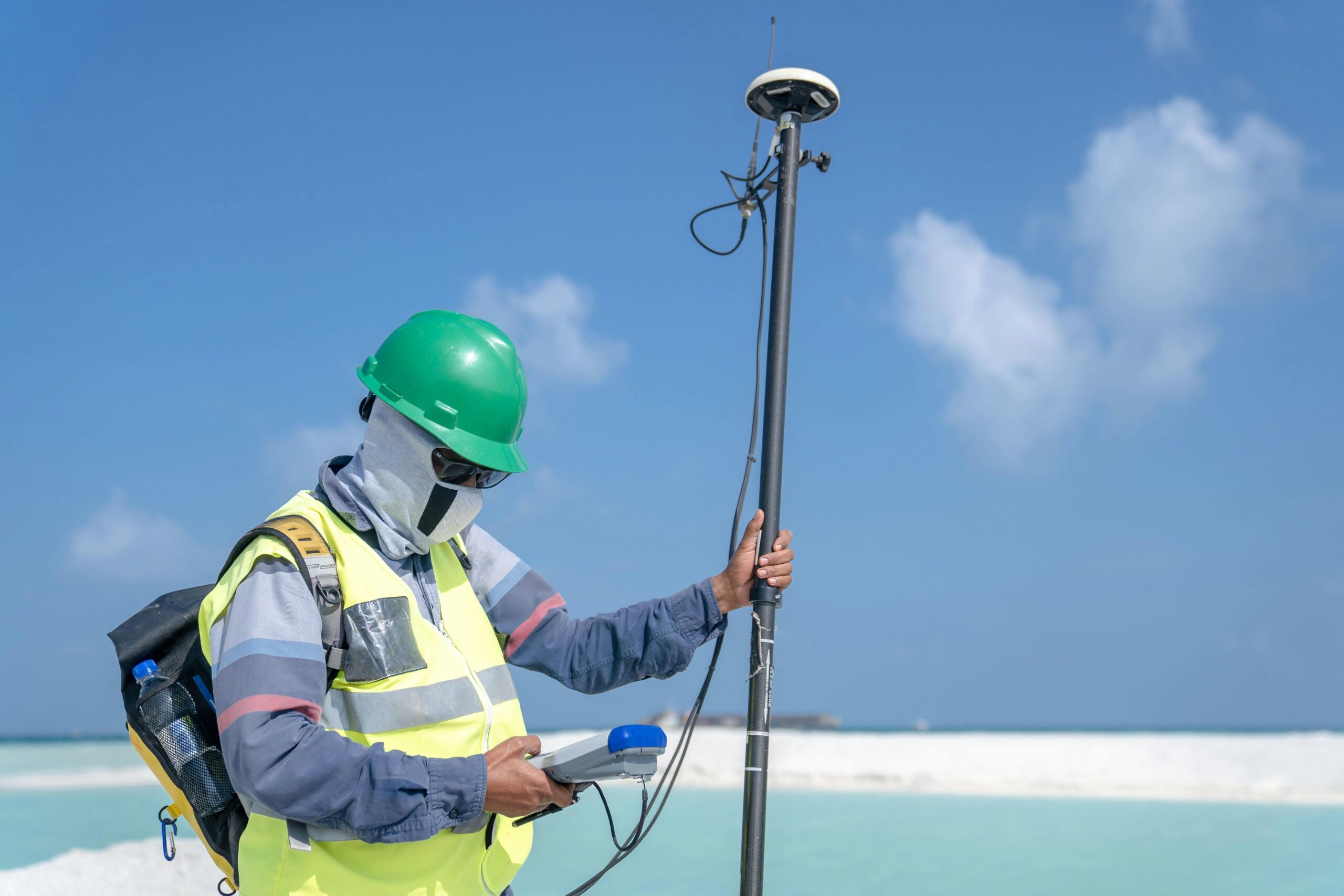
Real-time hotspot mapping has revolutionized how emergency responders handle critical situations, providing instant visual intelligence that saves lives and optimizes resource deployment in ways previously unimaginable.

🚨 The Evolution of Emergency Response Technology
Emergency response has come a long way from radio dispatches and paper maps. Today’s first responders operate in an environment where every second counts, and the difference between life and death often hinges on having the right information at precisely the right moment. Real-time hotspot mapping represents the cutting edge of this technological evolution, transforming raw data into actionable intelligence that empowers decision-makers on the ground and in command centers.
Traditional incident response methods relied heavily on eyewitness accounts, delayed reports, and static information that was often outdated by the time it reached decision-makers. This lag created dangerous blind spots where resources might be deployed inefficiently or critical developments might go unnoticed until it was too late. The integration of real-time mapping technology eliminates these gaps, creating a dynamic, constantly updating picture of emergency situations as they unfold.
Understanding Real-Time Hotspot Mapping Technology
At its core, real-time hotspot mapping aggregates data from multiple sources to create visual representations of incident locations, severity levels, and resource distribution. These systems pull information from emergency calls, social media feeds, IoT sensors, traffic cameras, weather stations, and field reports to generate comprehensive situational awareness tools.
The technology employs sophisticated algorithms that can identify patterns, predict incident escalation, and highlight areas requiring immediate attention. Color-coded overlays, heat maps, and dynamic markers provide intuitive visual cues that allow responders to grasp complex situations at a glance, without wading through lengthy reports or verbal descriptions.
Core Components of Effective Mapping Systems
Modern hotspot mapping platforms integrate several essential elements that work together seamlessly. GPS technology provides precise location tracking for both incidents and response assets. Cloud computing enables rapid data processing and sharing across multiple agencies and jurisdictions. Mobile connectivity ensures field personnel can access and update information in real-time, while machine learning algorithms continuously improve prediction accuracy and pattern recognition.
The user interface design plays a crucial role in effectiveness. Emergency responders operate under extreme stress, so mapping tools must present information clearly, eliminate unnecessary complexity, and allow for quick interaction even when wearing gloves or operating in challenging environmental conditions.
💡 Transforming Emergency Response Strategies
The implementation of real-time hotspot mapping fundamentally changes how emergency services operate. Instead of reactive responses based on individual calls, agencies can now adopt proactive strategies informed by comprehensive situational awareness. This shift enables resource pre-positioning, predictive deployment, and coordinated multi-agency responses that were previously impossible to orchestrate effectively.
Fire departments use hotspot mapping to track wildfire progression, identify vulnerable structures, and optimize evacuation routes. Law enforcement agencies monitor crime patterns, deploy patrols strategically, and coordinate responses to active incidents with unprecedented precision. Medical services identify disease outbreak clusters, position ambulances based on demand patterns, and reduce response times through intelligent routing.
Real-World Impact on Response Times
Studies have demonstrated that agencies implementing real-time mapping technologies experience significant improvements in key performance metrics. Response times can decrease by 20-40% when dispatchers have instant access to traffic conditions, available units, and optimal routing. Resource utilization improves as commanders can see exactly where assets are deployed and identify coverage gaps before they become critical.
The ability to visualize multiple simultaneous incidents allows for better prioritization and resource allocation. Instead of handling each call in isolation, dispatchers can identify related events, coordinate responses across jurisdictions, and ensure the most critical situations receive appropriate attention without depleting coverage in other areas.
🗺️ Integration with Existing Emergency Systems
One of the greatest strengths of modern hotspot mapping platforms is their ability to integrate with existing emergency management infrastructure. Rather than requiring complete system overhauls, these technologies typically function as overlay layers that enhance current capabilities without disrupting established workflows.
Integration with Computer-Aided Dispatch (CAD) systems ensures that every incoming call automatically populates on the map with relevant details. Connection to Records Management Systems (RMS) provides historical context about locations, previous incidents, and known hazards. Links to building information systems give responders access to floor plans, utility shutoffs, and hazardous material storage locations before they arrive on scene.
Cross-Agency Collaboration Benefits
Perhaps the most significant advantage of centralized mapping platforms is the facilitation of seamless inter-agency cooperation. When fire, police, EMS, and utility services all view the same real-time map, coordination becomes exponentially easier. Redundant responses decrease, communication improves, and unified command structures can operate with true situational awareness.
During large-scale incidents like natural disasters or mass casualty events, this shared operational picture becomes invaluable. Federal, state, and local agencies can coordinate without confusion about locations, status updates, or resource availability. The common operating picture eliminates the communication breakdowns that have historically plagued multi-agency responses.
📊 Data Sources Powering Hotspot Intelligence
The accuracy and usefulness of hotspot mapping depends entirely on the quality and diversity of data sources feeding into the system. Modern platforms aggregate information from an impressive array of inputs, each contributing unique perspectives to the overall situational picture.
- Emergency call data: Provides immediate notification of incidents with caller-provided details and automatic location identification
- Social media monitoring: Detects emerging situations through keyword tracking and geolocation analysis of public posts
- IoT sensor networks: Delivers real-time environmental data including air quality, water levels, seismic activity, and infrastructure status
- Traffic management systems: Supplies live traffic flow information, accident detection, and route optimization data
- Weather monitoring services: Provides severe weather alerts, forecasts, and historical pattern analysis
- Surveillance camera feeds: Offers visual confirmation and ongoing monitoring of incidents as they develop
- Field unit reporting: Captures on-scene observations, resource status, and tactical updates directly from responders
Ensuring Data Quality and Reliability
With so many data sources, maintaining accuracy and filtering out noise becomes critical. Advanced systems employ validation algorithms that cross-reference information from multiple sources before displaying it as confirmed intelligence. False positives can waste resources and create dangerous distractions, so filtering mechanisms must balance sensitivity with specificity.
Human oversight remains essential even in highly automated systems. Experienced dispatchers and analysts review flagged information, verify questionable data points, and apply contextual knowledge that algorithms cannot replicate. This human-machine partnership leverages the strengths of both to create reliable, actionable intelligence.
🎯 Predictive Capabilities and Pattern Recognition
Beyond simply displaying current incidents, sophisticated hotspot mapping platforms incorporate predictive analytics that forecast future problems before they manifest. Machine learning algorithms analyze historical data, identify patterns, and generate probability maps showing where incidents are most likely to occur during specific conditions.
These predictive capabilities enable proactive resource positioning. Fire departments can stage equipment near areas with elevated wildfire risk on high-wind days. Police can increase patrols in neighborhoods where historical data suggests higher crime likelihood during particular times or events. Emergency medical services can position ambulances based on predicted demand patterns rather than simply reacting to calls.
Learning from Historical Incident Data
The value of hotspot mapping compounds over time as systems accumulate historical data. Pattern analysis reveals insights that might never become apparent through anecdotal observation. Certain intersections may show elevated accident rates during specific weather conditions. Particular neighborhoods might experience predictable incident clusters during holidays or special events.
This intelligence informs not only operational decisions but also policy development and infrastructure planning. City planners can identify locations requiring traffic calming measures. Fire codes might be updated based on structure fire patterns. Public health initiatives can target areas showing elevated medical emergency rates.
🔒 Privacy Considerations and Ethical Implementation
The power of real-time tracking and data aggregation brings important privacy and civil liberties considerations. Responsible implementation requires careful balance between operational effectiveness and respect for individual privacy rights. Agencies must establish clear policies governing data collection, retention, access, and use.
Transparency about what data is collected and how it’s used builds public trust. Citizens are generally supportive of emergency response improvements but rightfully concerned about surveillance overreach. Clear guidelines that limit data use to legitimate emergency response purposes, prohibit mission creep, and establish accountability mechanisms help maintain this crucial balance.
Security Protocols for Sensitive Systems
Hotspot mapping platforms contain sensitive information about ongoing incidents, resource locations, and infrastructure vulnerabilities. Robust cybersecurity measures are non-negotiable to prevent unauthorized access, data breaches, or system manipulation that could compromise emergency response effectiveness.
Multi-factor authentication, encrypted communications, regular security audits, and strict access controls protect system integrity. Backup systems ensure continuity of operations even if primary platforms experience technical failures or cyberattacks. These precautions may seem excessive until you consider the catastrophic consequences of system compromise during a major emergency.
📱 Mobile Access for Field Operations
Desktop command center displays provide valuable oversight, but the true power of real-time hotspot mapping emerges when field personnel can access the same information on mobile devices. Tablets and rugged smartphones running specialized applications give responders in the field access to the same situational awareness available to dispatchers and commanders.
Mobile access enables field units to see nearby incidents, available resources, and tactical information while en route or on scene. Officers can mark hazards, upload photos, and update incident status without radio communication. Firefighters can access building information and hydrant locations. Paramedics can identify the nearest appropriate hospital and alert receiving facilities before arrival.
Offline Functionality for Resilience
Emergency situations often involve infrastructure damage that disrupts communications networks. Effective mobile mapping applications include offline capabilities that maintain core functionality even without internet connectivity. Cached map data, locally stored reference information, and peer-to-peer communication between nearby devices ensure that responders retain critical capabilities regardless of network status.
When connectivity is restored, the system automatically synchronizes locally stored updates with the central platform, ensuring no information is lost during network outages. This resilience is essential for maintaining operational effectiveness during exactly the situations where it matters most.
🌟 Training and Adoption Strategies
Even the most sophisticated technology delivers little value if users don’t understand how to leverage its capabilities effectively. Successful implementation requires comprehensive training programs that go beyond basic operation to develop strategic thinking about how real-time mapping changes response paradigms.
Training should be role-specific, addressing the different ways dispatchers, field personnel, and command staff will interact with the system. Scenario-based exercises that simulate realistic incidents help users develop proficiency under conditions that approximate actual emergency stress. Regular refresher training and advanced modules keep skills sharp and introduce new features as platforms evolve.
Overcoming Resistance to Change
Emergency services have strong traditions and established practices that have served them well for decades. Introducing new technology can encounter resistance from personnel comfortable with existing methods. Change management strategies that involve end users in planning, address concerns thoughtfully, and demonstrate tangible benefits help overcome this natural reluctance.
Early adopters and champions within the organization can evangelize the technology’s value through peer influence more effectively than mandates from leadership. Soliciting feedback and incorporating user suggestions into system configuration shows respect for operational expertise and improves adoption rates.
🚀 Future Developments and Emerging Trends
Real-time hotspot mapping technology continues evolving rapidly as new data sources, analytical techniques, and integration possibilities emerge. Artificial intelligence advancements promise even more sophisticated pattern recognition and prediction capabilities. Augmented reality applications may overlay mapping information directly onto responder vision through smart glasses or helmet displays.
Drone integration adds aerial surveillance capabilities that can be directed to incidents automatically, providing video feeds and sensor data that populate the map with real-time visual intelligence. Autonomous vehicle technology may enable self-deploying resources that respond to incidents without human drivers, guided by mapping intelligence.
Integration with Smart City Infrastructure
As cities deploy more connected infrastructure, the potential data sources for hotspot mapping multiply exponentially. Smart streetlights that detect gunshots, sensors that monitor structural integrity of bridges, and connected traffic signals that adapt to emergency vehicle approach all contribute to an increasingly comprehensive picture of urban conditions.
This convergence of emergency response technology and smart city infrastructure creates opportunities for unprecedented coordination. Traffic signals can automatically create green corridors for emergency vehicles. Building systems can unlock doors and activate emergency lighting when responders approach. The city itself becomes an active participant in emergency response rather than simply the environment where it occurs.
💪 Measuring Success and Continuous Improvement
Implementing real-time hotspot mapping represents a significant investment of resources, and agencies rightfully expect measurable returns. Establishing clear performance metrics before deployment enables objective assessment of technology impact. Response time reductions, resource utilization improvements, and incident outcome enhancements provide quantifiable evidence of value.
Beyond operational metrics, user satisfaction surveys reveal whether the technology genuinely improves responder capabilities or creates frustration through poor design or reliability issues. Regular assessment and iterative improvement ensure that systems evolve to meet changing needs and incorporate lessons learned from actual deployments.
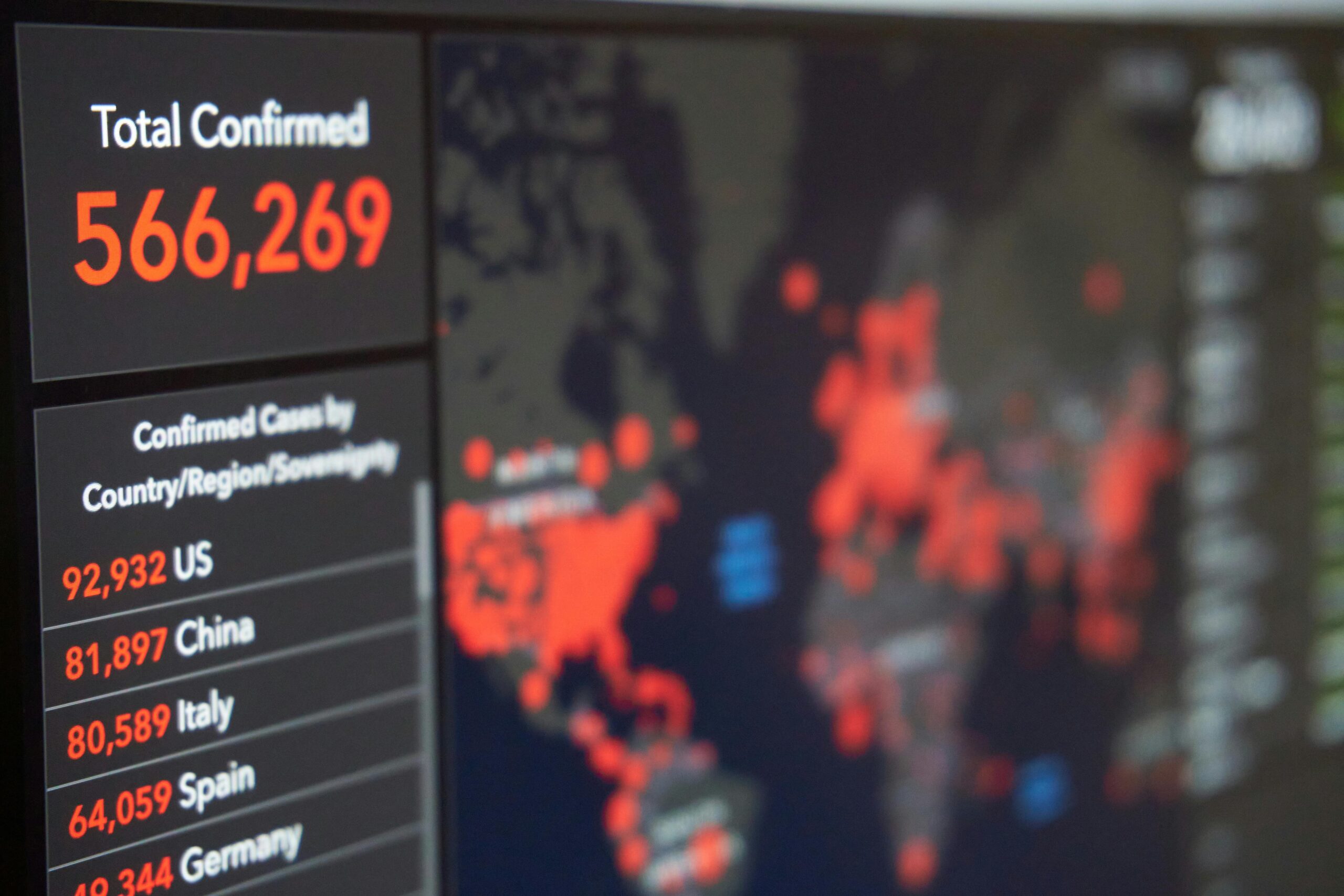
🌐 Building Resilient Communities Through Better Response
Ultimately, real-time hotspot mapping serves a purpose far beyond technological innovation—it protects lives, property, and community wellbeing. Every second saved in emergency response can mean the difference between minor injury and fatality, contained incident and major disaster. The ability to coordinate resources effectively, anticipate problems before they escalate, and maintain situational awareness during chaos directly translates to safer, more resilient communities.
As these technologies become more accessible and affordable, even smaller agencies and rural communities can benefit from capabilities previously available only to major metropolitan departments. This democratization of advanced emergency response tools helps bridge the gap between resource-rich and resource-constrained areas, ensuring that all citizens benefit from modern public safety innovations.
The transformation of emergency response through real-time hotspot mapping represents more than incremental improvement—it’s a fundamental paradigm shift that redefines what’s possible in public safety. Agencies that embrace this technology position themselves at the forefront of emergency management, ready to meet the increasingly complex challenges of protecting modern communities. The future of emergency response is here, and it’s mapped in real-time.